
Why I Started Looking at Competitors Differently
Most people glance at competitor sites, scroll a little, maybe click on a product — and call it a day. But if you really want to grow on Shopify, you need to go deeper.Looking closely, you notice patterns. Some brands funnel visitors to certain products effortlessly. Others spend heavily on ads but make every step in their checkout count. Once you start noticing these, you realize: it’s not magic — it’s strategy.So I started breaking down competitor stores into three things: site structure, traffic, and conversion chain. It changed how I think about building my own store.
The Website “Skeleton” Tells a Story
The first thing I noticed is how much a site’s structure itself teaches you.
- Homepage & Collections: Some brands push a single hero product front and center, while others highlight categories that solve a clear problem. Either way, the way they organize pages tells you what they believe sells best.
- Product Pages: Scroll through them carefully. Notice how they present the product — first the problem, then the solution, then proof. Reviews are often placed strategically, not randomly. Even little touches like GIFs or comparison charts reveal what converts.
- Trust Signals: Look at badges, UGC, FAQs, or live chat options. Brands that do well know exactly which objections they need to address upfront.
- Checkout: Some stores shorten the path to payment aggressively; others sneak in pre-checkout upsells. Observing this without buying is often enough to see where friction exists.
All of these pieces together are like a story: “This is how we guide visitors from curiosity to purchase.”
Traffic Sources Show What Actually Works
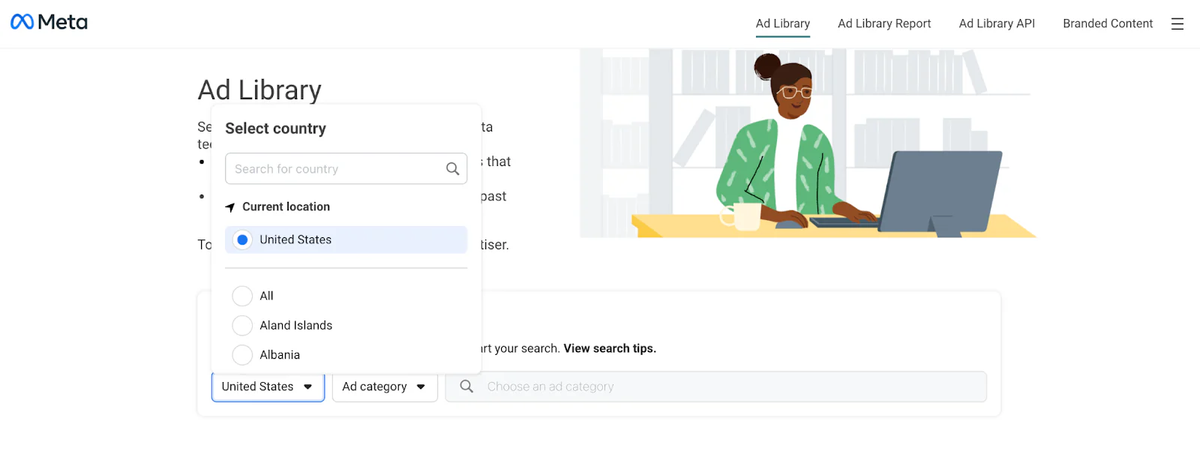
Next, I started paying attention to where visitors come from — the invisible part.
- Ads & Social: Even if you can’t see exact numbers, you can often see which platforms they post on, what type of creative they use, and which products get highlighted.
- Organic & SEO: Some brands rely heavily on search — blogs, collection pages, keywords. Others barely touch SEO and lean entirely on ads.
- Referrals & Influencers: Who else is promoting them? Is there heavy UGC? Which social channels do they favor?
Watching these patterns over time helps you guess where the money is actually coming from — not just where the brand hopes traffic will appear.
Conversion Chain — How They Turn Clicks Into Sales
The most interesting part is how clicks become orders. Here’s what I noticed:
- Landing to Product: Ads don’t just land anywhere. Often, there’s a mini-funnel — landing page with benefits → product page with social proof → checkout.
- Average Order Value Tricks: Bundles, discounts, timers, free shipping thresholds — these small details reveal how they maximize each order.
- Post-Purchase: Even after checkout, some brands continue nudging via email, SMS, or cross-sell recommendations. It’s not about one sale, it’s about creating a chain of touchpoints.
Once I started observing these patterns across multiple competitors, I began spotting trends. Certain layouts, certain content orders, certain traffic sources repeat across stores — and those usually indicate what actually works.
Takeaways You Can Apply
From watching competitors, a few simple things became clear:
- Structure matters more than design. You don’t need to copy colors or fonts — pay attention to page order, content blocks, and trust signals.
- Traffic hints tell a story. If they focus on TikTok ads and one hero product, it tells you what’s working for them — and may work for you too.
- Conversion is a chain. Every step, from landing to post-purchase, matters. Observe, note patterns, and think about how you can adapt them without copying.
Final Thought
Analyzing competitors isn’t about copying — it’s about learning the logic behind success.Once you start noticing patterns in structure, traffic, and conversions, you can make smarter choices for your own store. And the best part? You don’t need insider data — just curiosity and a careful eye.