
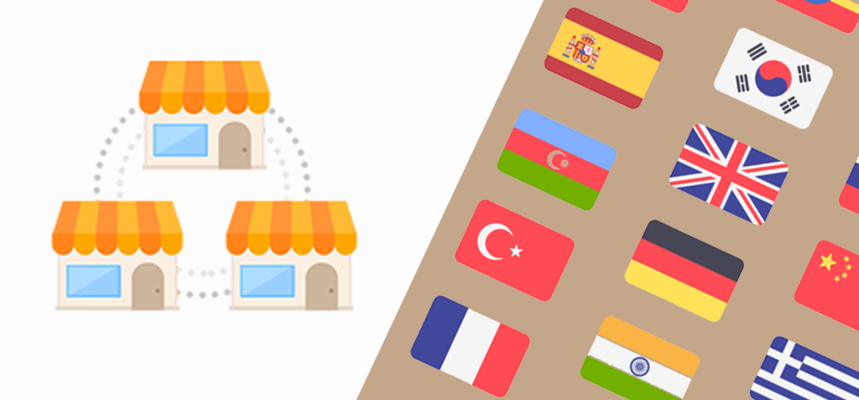
When I first launched a Shopify store for international customers, I thought translating the site into multiple languages would be enough. Spoiler: it wasn’t. Over time, I realized that running a multilingual store isn’t just about translation — it’s about making the store work for customers AND search engines in each language. Here’s what I’ve learned, and what actually works.
Translation Alone Won’t Cut It
A lot of people start by using a translation app and call it a day. I did too. But here’s the catch: Google doesn’t care if you just translate words. It cares about whether your pages provide value, are structured properly, and help users find what they want.So the first lesson: don’t just translate, localize.
- Product descriptions need to feel natural in the local language
- Navigation labels should make sense to someone in that country
- Emails, checkout messages, even blog posts should be in the local language
This is where most stores fail — the content exists, but nobody reads or buys from it.
The URL Structure Makes a Difference
Shopify handles multilingual URLs automatically (like /fr for French), but choosing the right structure matters. I learned that:
- Subfolders (
/fr,/de) are easier to manage and better for SEO - Using parameters like
?lang=fris simple but doesn’t help Google index your pages correctly
Once I fixed the URL structure, I noticed Google started ranking my pages for local searches much faster.
SEO Matters in Every Language
This was the biggest surprise. I assumed the English keywords would just translate — wrong.
- Each language has its own search behavior and trends
- Even simple words can have very different intent
- Meta titles, descriptions, and product URLs need to be localized
Doing keyword research per language helped my store show up in searches I wasn’t even targeting before.
Make the Language Experience Smooth for Customers
I’ve seen stores that auto-detect language incorrectly or force users to switch manually every time. Frustrating, right?Here’s what worked for me:
- Clear language switcher in the header
- Remember users’ choices across pages and checkout
- Localize marketing emails and abandoned cart messages
Once I got this right, international visitors felt the store was “made for them,” and conversion rates went up.
Keep It Manageable
Managing multiple languages can get messy fast. Here’s how I simplified it:
- Keep a central translation file to maintain consistent terminology
- Schedule regular audits to check for outdated or poor translations
- Focus on pages that actually bring traffic; not every single page needs full localization
It’s better to have fewer, high-quality localized pages than a fully translated site that nobody reads.
Lessons Learned
- Translation is just the first step — localization and user experience matter more
- SEO per language is non-negotiable if you want organic traffic
- Customers notice small details — email language, navigation, checkout messages
- Focus your effort wisely — not all pages need translation, but the ones that drive traffic do
Running a multilingual Shopify store is a long-term effort, but if you approach it strategically, it can unlock new markets, increase conversions, and make your store truly global.